With the Ottoman conquest of Crete in 1669, the island became a settlement of Muslim Turks under Ottoman rule until its annexation by Greece in 1913 following the signing of the Treaty of Lausanne. Although Turkish and Greek communities lived together in peace for much of this period, after the Mora Revolt and during the years coinciding with the decline of the Ottoman Empire, Muslim Turks living on Crete were forced to leave the island and return to Anatolia. This migration had two distinct waves of impact on Antalya in particular. In the late 1800s and during the population exchange of 1924, many families from Crete settled in various neighbourhoods and districts of Antalya, most notably Şarampol and Side. When they arrived, the Cretans of Antalya continued to preserve and live by the culture they had brought from the island, adding great value to the local people of Antalya — who were predominantly Yörük, not particularly skilled in foraging, and whose cuisine relied on a limited number of herb and vegetable recipes — and to their kitchen culture. From one of our conversations with Mehmet: “Antalya essentially means Yörük culture. A Yörük either slaughters livestock to make kavurma or boils chicken for a simple dish. Their relationship with plants, herbs and vegetables — the core products of agriculture and foraging — is limited. The same goes for seafood and fish… The Cretans, on the other hand, having lived for many years under the island’s harsh conditions, enriched their cuisine by foraging for wild herbs, cultivating vegetables and making excellent use of the sea’s abundance, and they knew how to bring all of this into Antalya’s kitchen. Until the population exchange period, the dominant influences on Antalya’s local cuisine were Yörük dishes and Arab culinary traditions; with the arrival of Muslim Turks from Crete, both ingredients and recipes diversified significantly.
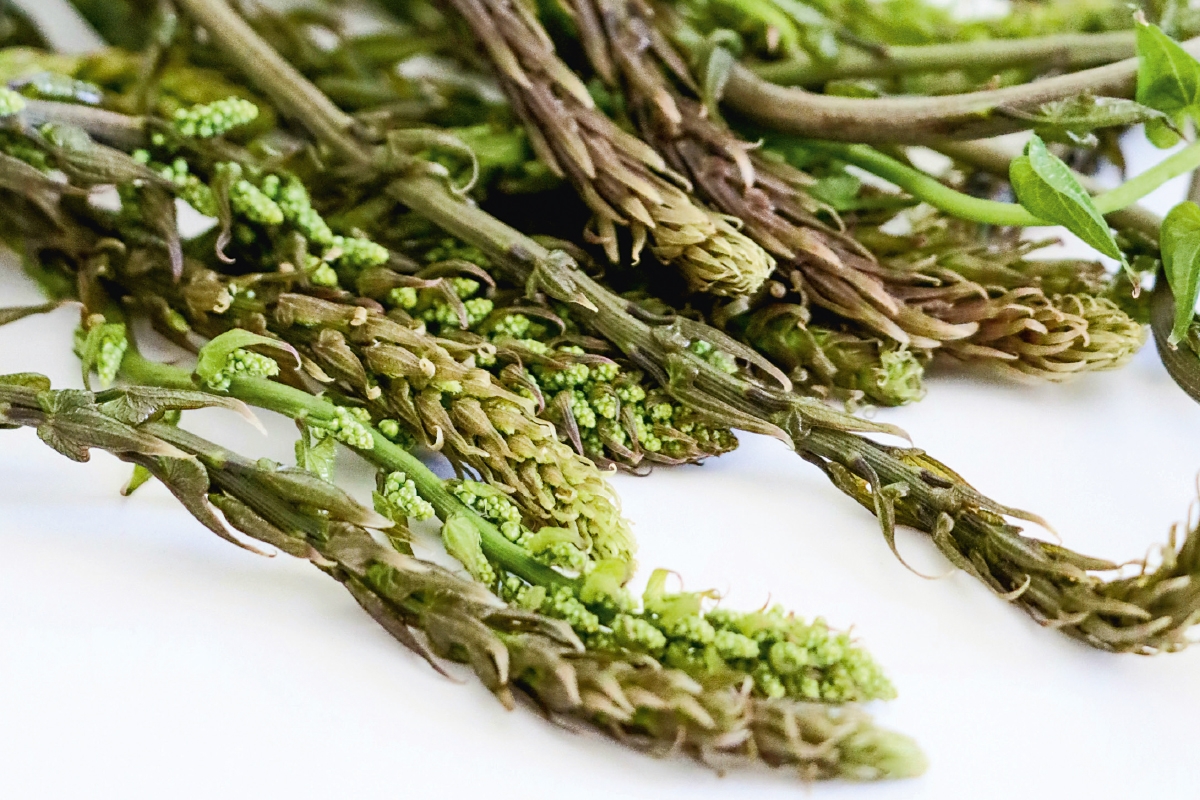
Sirken (lamb’s quarters), tilkişen (wild asparagus), melatura (fennel), radika, okra, monstera leaves, mallow, zucchini leaves and blossoms are still indispensable ingredients in the unique dishes that emerged from Cretan Turkish kitchens. My grandfather and my father had many close friends who were Cretan. As the contribution of Cretan Turks to our culinary culture became increasingly evident, my father and his generation diversified the restaurant’s menu with this richness. Our kid goat meat found its place in melatura dishes and became one of the plates served at the restaurant. Şevketibostan was dressed with our goat yoghurt, turned into a pot dish, and began to grace the tables of our regular guests. In the same spirit, we prepared our olive-oil braised fresh black-eyed peas. Today, the menu of 7 Mehmet Restaurant features countless herb and vegetable dishes — some served cold, others warm or hot depending on the season. Herb sautés, vegetable stews and slow-cooked pot dishes… We can confidently say that all of them are expressions of the legacy Antalya gained thanks to the Cretans.